The Rise of Psychedelic Awareness in Canada: Understanding Dried Magic Mushrooms

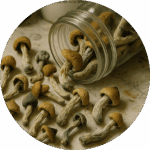
Over the past decade, there has been a noticeable shift in public understanding and conversation around psychedelics in Canada. Once relegated to subcultures and the margins of scientific inquiry, compounds historically labeled illegal are now being discussed with greater nuance and seriousness. Among these, Dried Magic Mushrooms in Canada—the dehydrated form of psilocybin-containing fungi—have attracted particular attention from researchers, mental health advocates, and curious members of the public alike.
Shrooms Canada has played a significant role in this evolving landscape by promoting accurate information, community education, and responsible approaches to psychedelic awareness. Rather than encouraging unlawful or unsafe use, the organization emphasizes evidence, context, and public safety.
What Are Dried Magic Mushrooms?
Dried magic mushrooms refer to mushrooms that have been dehydrated after harvest. These fungi, mainly from Psilocybe species, contain naturally occurring psychoactive compounds such as psilocybin and psilocin. When ingested, these compounds interact with serotonin receptors in the brain, potentially producing altered sensory perceptions, emotional shifts, and changes in cognition.
Public interest in Dried Magic Mushrooms in Canada is tied not only to curiosity about their effects but also to discussions around potential therapeutic applications and cultural history.
Historical and Cultural Context
Psychedelic mushrooms have been used in ceremonial and spiritual contexts for thousands of years across various cultures. In the mid-20th century, Western researchers began documenting their psychological effects, but widespread legal prohibition in the 1970s curtailed most scientific work.
In recent years, however, research has resurged, prompting a broader conversation in Canada and globally. As public dialogue expanded, people started reevaluating longstanding assumptions about psychedelics, seeing them not merely as recreational substances but as subjects of serious inquiry.
Research and Therapeutic Interest
One of the key forces behind the rise of psychedelic awareness in Canada has been scientific research. Studies conducted at universities and medical institutions investigate the potential use of psilocybin for:
Treatment-resistant depression
Anxiety related to life-threatening illness
Post-traumatic stress disorder (PTSD)
Substance use disorders
Although clinical evidence is still emerging and psilocybin is not widely approved for therapeutic use in mainstream healthcare, early results from controlled studies show promise. This research has helped shift public perception, moving the conversation toward potential benefits, risks, and ethical frameworks for future medical applications.
Legal Landscape in Canada
In Canada, Dried Magic Mushrooms in Canada and psilocybin remain classified under the Controlled Drugs and Substances Act (CDSA) as prohibited substances. This means that, in general, possession, production, and distribution are illegal.
However, regulatory developments have provided limited pathways for research and therapeutic use:
Special Access Program (SAP): Health Canada has granted exemptions allowing some patients to access psilocybin under supervision for palliative use or specific clinical situations.
Research Licensing: Universities and clinical researchers may obtain licenses to study psilocybin’s effects within regulated environments.
These frameworks reflect a growing recognition within the Canadian health system of the need to balance public safety with scientific exploration. Still, broad legalization has not occurred, and unlawful possession of dried magic mushrooms carries legal consequences.
Safety and Responsible Awareness
A major focus of psychedelic awareness efforts—championed by groups like Shrooms Canada—is safety. A well-informed public is better equipped to understand both potential impacts and risks associated with psychedelics.
Important safety considerations include:
Psychological Preparedness: Psychedelics can intensify emotions and perceptions; individuals with a personal or family history of psychosis or certain mental health conditions may experience adverse reactions.
Set and Setting: The psychological state (set) of the user and the physical and social environment (setting) play crucial roles in how experiences unfold.
Medical Supervision: Clinical environments with trained professionals provide safeguards that informal use cannot ensure.
Education efforts also emphasize that curiosity about Dried Magic Mushrooms in Canada should be coupled with accurate understanding of legal restrictions and health risks.
The Role of Shrooms Canada
Shrooms Canada contributes to the rise of psychedelic awareness in Canada by providing balanced, research-informed resources aimed at demystifying mushrooms and related compounds. Its mission centers on harm reduction, community education, and respectful dialogue—encouraging individuals to explore information responsibly without promoting illegal activities.
Through webinars, informational guides, and community discussions, Shrooms Canada supports people who are navigating questions about psychedelics in a changing social and scientific context.
Looking Forward
As research continues and public understanding deepens, the conversation around psychedelics, including Dried Magic Mushrooms in Canada, will likely evolve further. Engagement grounded in science, empathy, and legal awareness can help ensure that dialogue supports health, safety, and informed decision-making.